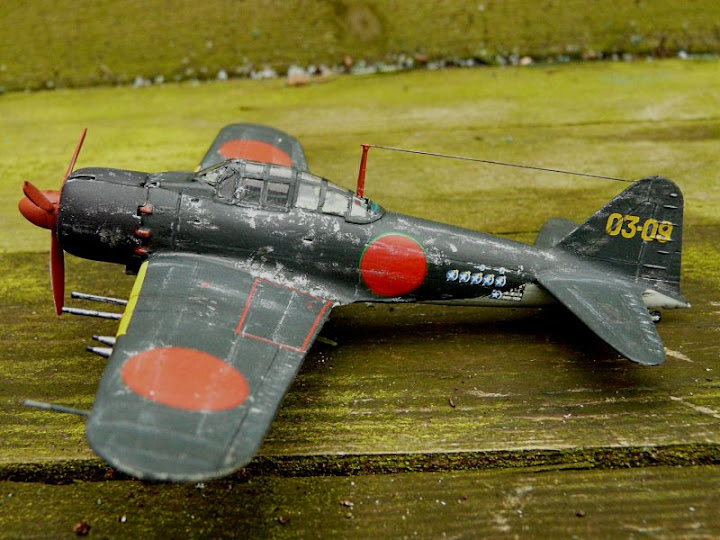
Mitsubishi A6M5c Type 52 quot;Reisenquot; Academy
Mitsubishi Motors Corporation can be a multinational automotive manufacturer based in Minato, Tokyo, Japan. In 2011, Mitsubishi Motors was the actual sixth biggest Japanese automaker and the sixteenth biggest worldwide through production. From October 2016 onwards, Mitsubishi is majority-owned by Nissan, and thus a part of the Renault-Nissan Alliance.Besides being part on the Renault-Nissan Alliance, it is also an element of Mitsubishi keiretsu, formerly the biggest commercial group in Japan, through the corporation's group 20% stake in Mitsubishi Generators, and the company seemed to be originally formed in 1970 from your automotive division of Mitsubishi Major Industries.Mitsubishi Fuso Truck and also Bus Corporation was formerly part of Mitsubishi Motors, but is now distinct from Mitsubishi Motors, which builds commercial quality trucks, buses and heavy construction equipment, and is owned through Daimler AG.

Construcción del Mitsubishi A6M5c Zero Academy 1:72
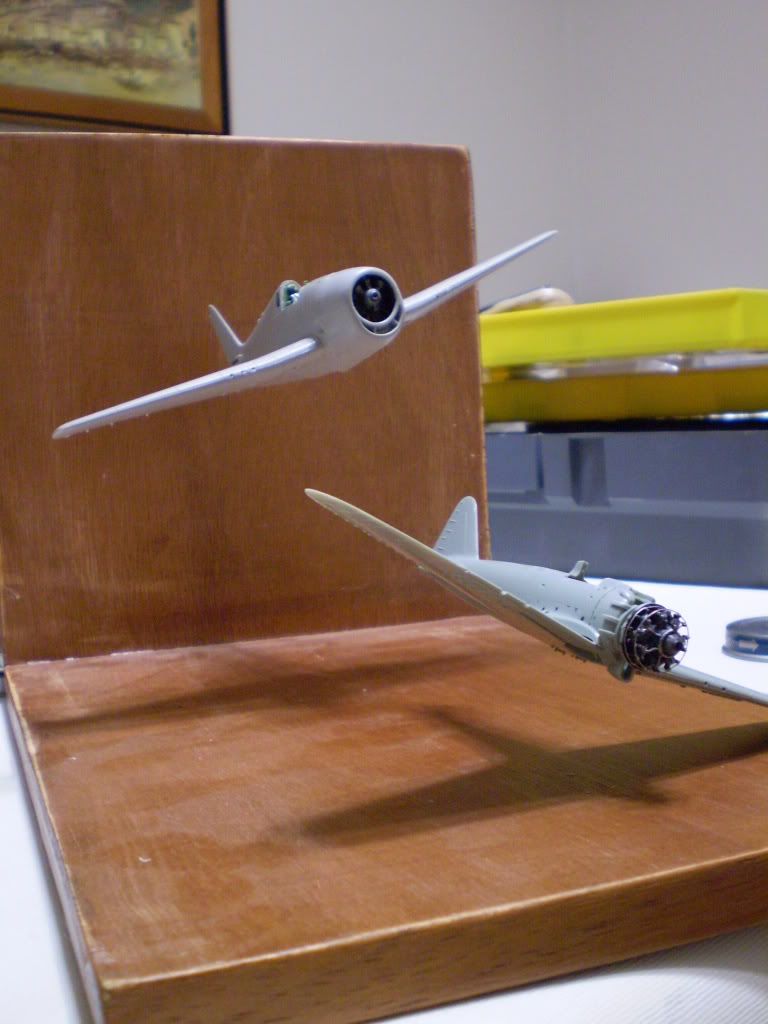
Construcción del Mitsubishi A6M5c Zero Academy 1:72
Mitsubishi's automotive origins date returning to 1917, when the Mitsubishi Shipbuilding Company., Ltd. introduced the Mitsubishi Model A, Japan's first series-production vehicle. An entirely hand-built seven-seater sedan using the Fiat Tipo 3, it proved expensive in comparison with its American and European mass-produced rivals, and was discontinued throughout 1921 after only 22 were being built.In 1934, Mitsubishi Shipbuilding was merged while using Mitsubishi Aircraft Co., a company established in 1920 to manufacture aircraft engines and other parts. The unified company was known as Mitsubishi Heavy Industries (MHI), and was the largest private company in Asia. MHI concentrated on producing aircraft, ships, railroad cars and machines, but in 1937 designed the PX33, a prototype sedan for military use. It was the primary Japanese-built passenger car with full-time four-wheel drive, a technology the company would go back to almost fifty years later in its pursuit of motorsport and sales achievement.

Mitsubishi A6M5C Zero Plastic Model Airplane Kit 1/72 Scale 12493 by
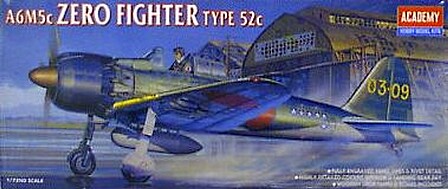
Mitsubishi A6M5C Zero Plastic Model Airplane Kit 1/72 Scale 12493 by
Immediately following the end of the 2nd World War, the company returned in order to manufacturing vehicles. Fuso bus production resumed, while a small three-wheeled cargo vehicle called the Mizushima and also a scooter called the Silver precious metal Pigeon were also produced. However, the zaibatsu (Japan's family-controlled commercial conglomerates) were ordered to become dismantled by the Allied capabilities in 1950, and Mitsubishi Heavy Industries was split into three regional companies, each with an involvement in automobile development: West Japan Heavy-Industries, Central Japan Heavy-Industries, and East Japan Heavy-Industries.East Japan Heavy-Industries started out importing the Henry T, an inexpensive American four door built by Kaiser Power generators, in knockdown kit (CKD) kind in 1951, and continued to bring them to Japan for the remainder in the car's three-year production operate. The same year, Central Japan Heavy-Industries concluded the same contract with Willys (currently owned by Kaiser) with regard to CKD-assembled Jeep CJ-3Bs. This deal proved stronger, with licensed Mitsubishi Jeeps within production until 1998, thirty years after Willys on their own had replaced the design.

Mitsubishi Evolution JDM Rear Bumper Conversion Speed Academy
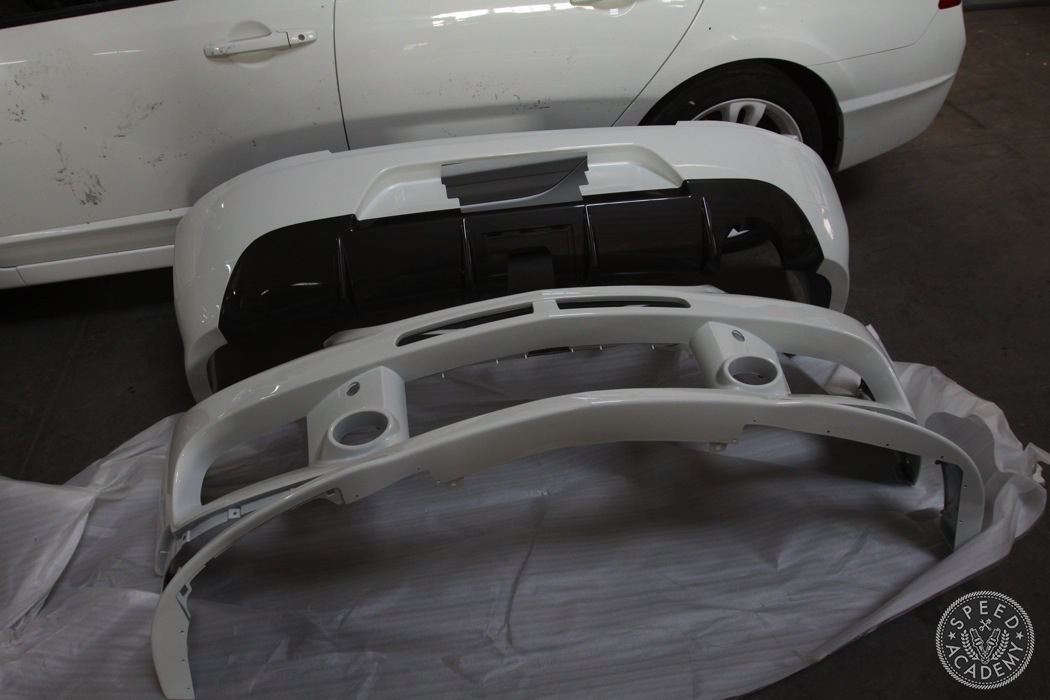
Mitsubishi Evolution JDM Rear Bumper Conversion  Speed Academy
By the beginning of the 1960s Japan's overall economy was gearing up; wages were rising and the thinking behind family motoring was taking off. Central Japan Heavy-Industries, now known as Tibia Mitsubishi Heavy-Industries, had already re-established an automotive department in the headquarters in 1953. Now it was wanting to introduce the Mitsubishi 500, a mass market sedan, to meet the brand-new demand from consumers. It followed this in 1962 while using Minica kei car plus the Colt 1000, the first of its Colt brand of family cars, in 1963. In 1964, Mitsubishi introduced its largest passenger sedan, the Mitsubishi Debonair as a luxury car primarily for your Japanese market, and was used through senior Mitsubishi executives as being a company car.West Japan Heavy-Industries (today renamed Mitsubishi Shipbuilding & Design) and East The japanese Heavy-Industries (now Mitsubishi Nihon Heavy-Industries) received also expanded their automotive departments inside the 1950s, and the three were re-integrated as Mitsubishi Large Industries in 1964. Within three years the output was over 75, 000 vehicles annually. Following the successful introduction in the first Galant in 1969 and similar growth featuring a commercial vehicle division, it was decided which the company should create a single operation to spotlight the automotive industry. Mitsubishi Motors Corporation (MMC) was formed on April twenty two, 1970 as a entirely owned subsidiary of MHI beneath the leadership of Tomio Kubo, a successful engineer from your aircraft division. [citation needed].

Simultanbau Mitsubishi Zero Sen 1/72 Academy und Airfix

Simultanbau Mitsubishi Zero Sen 1/72 Academy und Airfix
The logo of three reddish diamonds, shared with over forty other programs within the keiretsu, predates Mitsubishi Motors itself by almost a century. It was chosen by simply Iwasaki Yatarō, the founder of Mitsubishi, as it was suggestive of the emblem of the Tosa Group who first employed your pet, and because his unique family crest was 3 rhombuses stacked atop one another. The name Mitsubishi is a compound of mitsu ("three") along with hishi (literally, "water chestnut", often used in Japanese to denote a precious stone or rhombus).

may be governed by copyright. – Send suggestions We Comply All TakeDown by Request.

thanks for coming

Mitsubishi A6M5c Type 52 quot;Reisenquot; Academy

Mitsubishi A6M5c Type 52c quot;Reisenquot; Academy 1/72  FineScale Model
Mitsubishi Motors Corporation can be a multinational automotive manufacturer headquartered in Minato, Tokyo, Japan. In 2011, Mitsubishi Motors was this sixth biggest Japanese automaker and the sixteenth biggest worldwide by means of production. From October 2016 onwards, Mitsubishi is majority-owned simply by Nissan, and thus a area of the Renault-Nissan Alliance.Besides being part from the Renault-Nissan Alliance, it is also a component of Mitsubishi keiretsu, formerly the biggest industrial group in Japan, through the corporation's small section 20% stake in Mitsubishi Engines, and the company ended up being originally formed in 1970 from your automotive division of Mitsubishi Large Industries.Mitsubishi Fuso Truck in addition to Bus Corporation was formerly a component of Mitsubishi Motors, but is now independent from Mitsubishi Motors, which builds commercial quality trucks, buses and heavy development equipment, and is owned through Daimler AG.

mitsubishi pajero 06 mitsubishi pajero 3 2 di d 16v 3p invite in

mitsubishi pajero 06 mitsubishi pajero 3 2 di d 16v 3p invite in
Mitsubishi's automotive origins date returning to 1917, when the Mitsubishi Shipbuilding Corp., Ltd. introduced the Mitsubishi Type A, Japan's first series-production car. An entirely hand-built seven-seater sedan while using Fiat Tipo 3, it proved expensive in comparison with its American and American mass-produced rivals, and was discontinued with 1921 after only 22 have been built.In 1934, Mitsubishi Shipbuilding was merged with the Mitsubishi Aircraft Co., a company established throughout 1920 to manufacture aircraft engines and also other parts. The unified company was often known as Mitsubishi Heavy Industries (MHI), and was the greatest private company in Asia. MHI concentrated on creation aircraft, ships, railroad cars and systems, but in 1937 formulated the PX33, a prototype sedan for military use. It was the 1st Japanese-built passenger car having full-time four-wheel drive, a technology the company would return to almost fifty years later in its pursuit of motorsport and sales accomplishment.

La sportive niponne Mitsubishi Lancer Evolution VIII vient de ce voir

La sportive niponne Mitsubishi Lancer Evolution VIII vient de ce voir
Rigtht after the end of the other World War, the company returned to help manufacturing vehicles. Fuso bus production resumed, while a small three-wheeled cargo vehicle called the Mizushima along with a scooter called the Metallic Pigeon were also designed. However, the zaibatsu (Japan's family-controlled professional conglomerates) were ordered to be dismantled by the Allied powers in 1950, and Mitsubishi Heavy Industries was separated into three regional companies, each with an involvement in car development: West Japan Heavy-Industries, Central Japan Heavy-Industries, and East Japan Heavy-Industries.East Japan Heavy-Industries started out importing the Henry M, an inexpensive American car built by Kaiser Magnetic motors, in knockdown kit (CKD) variety in 1951, and continued to bring those to Japan for the remainder on the car's three-year production run. The same year, Central Japan Heavy-Industries concluded a similar contract with Willys (today owned by Kaiser) with regard to CKD-assembled Jeep CJ-3Bs. This deal proved more durable, with licensed Mitsubishi Jeeps with production until 1998, thirty years after Willys themselves had replaced the model.

Select, instock dodge quotes!get specs. Other dodge values, certified

Select, instock dodge quotes!get specs. Other dodge values, certified
By the beginning of the 1960s Japan's overall economy was gearing up; wages were rising and the concept of family motoring was taking off. Central Japan Heavy-Industries, now known as Tibia Mitsubishi Heavy-Industries, had already re-established a great automotive department in their headquarters in 1953. Now it was prepared to introduce the Mitsubishi 500, a mass market four door, to meet the brand-new demand from consumers. It followed this in 1962 while using Minica kei car along with the Colt 1000, the first of its Colt distinctive line of family cars, in 1963. In 1964, Mitsubishi introduced its major passenger sedan, the Mitsubishi Debonair being a luxury car primarily for that Japanese market, and was used by senior Mitsubishi executives being a company car.West Japan Heavy-Industries (now renamed Mitsubishi Shipbuilding & Engineering) and East Okazaki, japan Heavy-Industries (now Mitsubishi Nihon Heavy-Industries) experienced also expanded their automotive departments inside the 1950s, and the three ended up re-integrated as Mitsubishi Large Industries in 1964. Within three years their output was over 70, 000 vehicles annually. Following the successful introduction on the first Galant in 1969 and similar growth which consists of commercial vehicle division, it was decided that the company should create a single operation to pay attention to the automotive industry. Mitsubishi Motors Corporation (MMC) was formed on April 23, 1970 as a entirely owned subsidiary of MHI within the leadership of Tomio Kubo, a successful engineer through the aircraft division. [citation needed].

motioncars.com Autobuzz Mazda Philippines launches allnew BT50

motioncars.com  Autobuzz  Mazda Philippines launches allnew BT50
The logo of three reddish colored diamonds, shared with over forty other programs within the keiretsu, predates Mitsubishi Motors itself by almost a hundred years. It was chosen by simply Iwasaki Yatarō, the founder of Mitsubishi, as it was suggestive from the emblem of the Tosa Kin who first employed them, and because his very own family crest was about three rhombuses stacked atop the other person. The name Mitsubishi is a compound of mitsu ("three") and hishi (literally, "water chestnut", often used in Western to denote a precious stone or rhombus).

may be governed by copyright. – Send suggestions We Comply All TakeDown by Request.

thanks for coming

Mitsubishi A6M5c Type 52c quot;Reisenquot; Academy 1/72 FineScale Model

Mitsubishi A6M5c Type 52 quot;Reisenquot; Academy
Mitsubishi Motors Corporation can be a multinational automotive manufacturer based in Minato, Tokyo, Japan. In 2011, Mitsubishi Motors was your sixth biggest Japanese automaker as well as the sixteenth biggest worldwide simply by production. From October 2016 onwards, Mitsubishi is majority-owned by means of Nissan, and thus a area of the Renault-Nissan Alliance.Besides being part with the Renault-Nissan Alliance, it is also part of Mitsubishi keiretsu, formerly the biggest commercial group in Japan, through the corporation's small section 20% stake in Mitsubishi Motors, and the company had been originally formed in 1970 from your automotive division of Mitsubishi Large Industries.Mitsubishi Fuso Truck along with Bus Corporation was formerly part of Mitsubishi Motors, but is now independent from Mitsubishi Motors, which builds commercial quality trucks, buses and heavy development equipment, and is owned by means of Daimler AG.

unosetentaydos A6M5C ZERO TYPE 52C ACADEMY 1/72 Mitsubishi ZERO

unosetentaydos  A6M5C ZERO TYPE 52C ACADEMY 1/72  Mitsubishi ZERO
Mitsubishi's automotive origins date back to 1917, when the Mitsubishi Shipbuilding Company., Ltd. introduced the Mitsubishi Model A, Japan's first series-production vehicle. An entirely hand-built seven-seater sedan based on the Fiat Tipo 3, it proved expensive in comparison to its American and Western european mass-produced rivals, and was discontinued throughout 1921 after only 22 have been built.In 1934, Mitsubishi Shipbuilding was merged while using the Mitsubishi Aircraft Co., a company established inside 1920 to manufacture aircraft engines and also other parts. The unified company was often known as Mitsubishi Heavy Industries (MHI), and was the largest private company in Okazaki, japan. MHI concentrated on creation aircraft, ships, railroad cars and machines, but in 1937 formulated the PX33, a prototype sedan for military use. It was the 1st Japanese-built passenger car together with full-time four-wheel drive, a technology the company would come back to almost fifty years later in its quest for motorsport and sales success.

Mitsubishi Evo VIII to IX Bumper Conversion Speed Academy
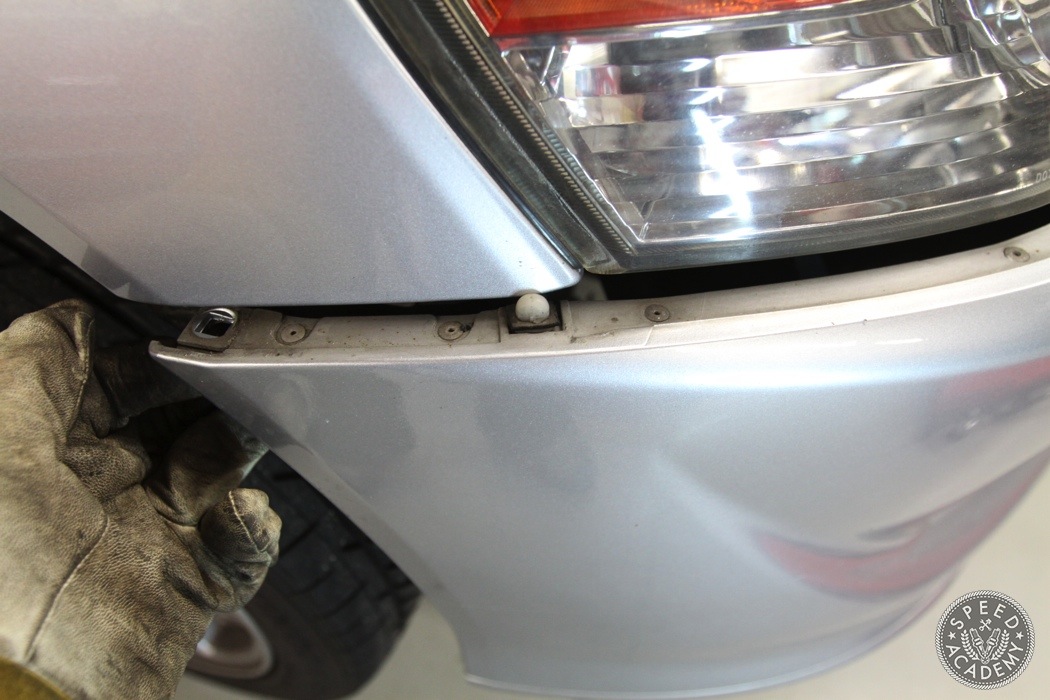
Mitsubishi Evo VIII to IX Bumper Conversion  Speed Academy
Immediately following the end of the second World War, the company returned to help manufacturing vehicles. Fuso bus production resumed, while a small three-wheeled products vehicle called the Mizushima and also a scooter called the Sterling silver Pigeon were also produced. However, the zaibatsu (Japan's family-controlled commercial conglomerates) were ordered to become dismantled by the Allied forces in 1950, and Mitsubishi Heavy Industries was put into three regional companies, each with an involvement in motorized vehicle development: West Japan Heavy-Industries, Central Japan Heavy-Industries, and East Japan Heavy-Industries.East Japan Heavy-Industries started importing the Henry L, an inexpensive American sedan built by Kaiser Generators, in knockdown kit (CKD) style in 1951, and continued to bring the crooks to Japan for the remainder with the car's three-year production function. The same year, Central Japan Heavy-Industries concluded a similar contract with Willys (right now owned by Kaiser) with regard to CKD-assembled Jeep CJ-3Bs. This deal proved more durable, with licensed Mitsubishi Jeeps throughout production until 1998, thirty years after Willys independently had replaced the style.

Simultanbau Mitsubishi Zero Sen 1/72 Academy und Airfix
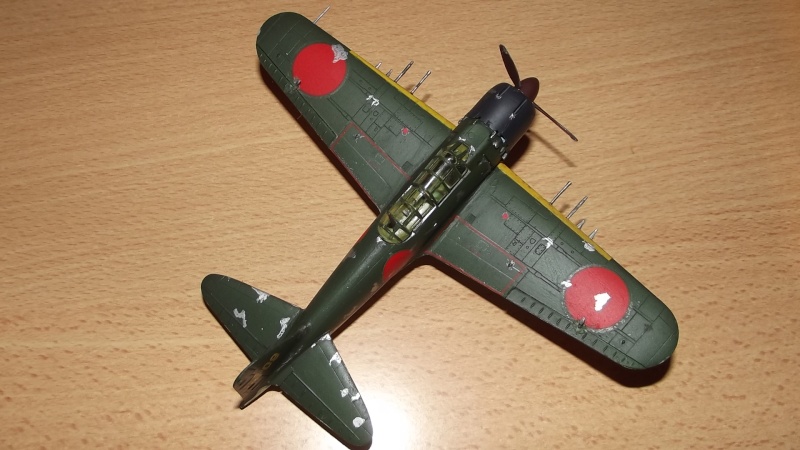
Simultanbau Mitsubishi Zero Sen 1/72 Academy und Airfix
By the beginning of the 1960s Japan's economic system was gearing up; wages were rising and the thinking behind family motoring was taking off. Central Japan Heavy-Industries, now known as Shin Mitsubishi Heavy-Industries, had already re-established an automotive department in their headquarters in 1953. Now it was willing to introduce the Mitsubishi 500, a mass market 4 door, to meet the new demand from consumers. It followed this in 1962 using the Minica kei car and also the Colt 1000, the first of its Colt type of family cars, in 1963. In 1964, Mitsubishi introduced its greatest passenger sedan, the Mitsubishi Debonair like a luxury car primarily to the Japanese market, and was used by senior Mitsubishi executives being a company car.West Japan Heavy-Industries (now renamed Mitsubishi Shipbuilding & Architectural) and East Japan Heavy-Industries (now Mitsubishi Nihon Heavy-Industries) received also expanded their automotive departments in the 1950s, and the three were being re-integrated as Mitsubishi Heavy Industries in 1964. Within three years their output was over 70, 000 vehicles annually. Following the successful introduction from the first Galant in 1969 and similar growth with its commercial vehicle division, it was decided which the company should create a single operation to focus on the automotive industry. Mitsubishi Motors Corporation (MMC) has been formed on April twenty two, 1970 as a totally owned subsidiary of MHI under the leadership of Tomio Kubo, a successful engineer from your aircraft division. [citation needed].

Commercial Painting MidSouth Painting
Commercial Painting  MidSouth Painting
The actual logo of three red diamonds, shared with over forty other companies within the keiretsu, predates Mitsubishi Motors itself by almost a century. It was chosen by simply Iwasaki Yatarō, the founder of Mitsubishi, as it was suggestive on the emblem of the Tosa Group who first employed them, and because his unique family crest was three rhombuses stacked atop 1 another. The name Mitsubishi is really a compound of mitsu ("three") and hishi (literally, "water chestnut", often used in Japanese to denote a diamond or rhombus).

may be governed by copyright. – Send suggestions We Comply All TakeDown by Request.

thanks for coming

Mitsubishi A6M5c Type 52 quot;Reisenquot; Academy

Mitsubishi A6M5c Type 52 quot;Reisenquot; Academy
Mitsubishi Motors Corporation is usually a multinational automotive manufacturer based in Minato, Tokyo, Japan. In 2011, Mitsubishi Motors was your sixth biggest Japanese automaker and the sixteenth biggest worldwide by simply production. From October 2016 onwards, Mitsubishi is majority-owned by Nissan, and thus a part of the Renault-Nissan Alliance.Besides being part with the Renault-Nissan Alliance, it is also a part of Mitsubishi keiretsu, formerly the biggest business group in Japan, through the corporation's group 20% stake in Mitsubishi Magnetic motors, and the company has been originally formed in 1970 in the automotive division of Mitsubishi Large Industries.Mitsubishi Fuso Truck and also Bus Corporation was formerly an element of Mitsubishi Motors, but is now individual from Mitsubishi Motors, which builds commercial level trucks, buses and heavy development equipment, and is owned by Daimler AG.

HappyscaleModellbau: Mitsubishi A6M2K Zero ACADEMY scratch

HappyscaleModellbau: Mitsubishi A6M2K Zero  ACADEMY scratch
Mitsubishi's automotive origins date time for 1917, when the Mitsubishi Shipbuilding Corp., Ltd. introduced the Mitsubishi Design A, Japan's first series-production vehicle. An entirely hand-built seven-seater sedan based on the Fiat Tipo 3, it proved expensive in comparison to its American and European mass-produced rivals, and was discontinued inside 1921 after only 22 had been built.In 1934, Mitsubishi Shipbuilding was merged using the Mitsubishi Aircraft Co., a company established within 1920 to manufacture aircraft engines and other parts. The unified company was referred to as Mitsubishi Heavy Industries (MHI), and was the greatest private company in Asia. MHI concentrated on making aircraft, ships, railroad cars and machinery, but in 1937 formulated the PX33, a prototype sedan for military use. It was the very first Japanese-built passenger car with full-time four-wheel drive, a technology the company would go back to almost fifty years later in its search for motorsport and sales achievements.

Simultanbau Mitsubishi Zero Sen 1/72 Academy und Airfix

Simultanbau Mitsubishi Zero Sen 1/72 Academy und Airfix
Immediately following the end of your second World War, the company returned for you to manufacturing vehicles. Fuso bus production started again, while a small three-wheeled products vehicle called the Mizushima and also a scooter called the Gold Pigeon were also designed. However, the zaibatsu (Japan's family-controlled business conglomerates) were ordered to get dismantled by the Allied capabilities in 1950, and Mitsubishi Heavy Industries was split into three regional companies, each with an involvement in automobile development: West Japan Heavy-Industries, Central Japan Heavy-Industries, and East Japan Heavy-Industries.East Japan Heavy-Industries started out importing the Henry M, an inexpensive American four door built by Kaiser Engines, in knockdown kit (CKD) variety in 1951, and continued to bring those to Japan for the remainder on the car's three-year production operate. The same year, Central Japan Heavy-Industries concluded the same contract with Willys (now owned by Kaiser) regarding CKD-assembled Jeep CJ-3Bs. This deal proved stronger, with licensed Mitsubishi Jeeps with production until 1998, thirty years after Willys themselves had replaced the type.

Mitsubishi Evolution JDM Rear Bumper Conversion Speed Academy
Mitsubishi Evolution JDM Rear Bumper Conversion  Speed Academy
By the beginning of the 1960s Japan's financial system was gearing up; wages were rising and the thought of family motoring was taking off. Central Japan Heavy-Industries, now known as Tibia Mitsubishi Heavy-Industries, had already re-established a good automotive department in it's headquarters in 1953. Now it was willing to introduce the Mitsubishi 500, a mass market four door, to meet the brand new demand from consumers. It followed this in 1962 while using Minica kei car along with the Colt 1000, the first of its Colt distinctive line of family cars, in 1963. In 1964, Mitsubishi introduced its major passenger sedan, the Mitsubishi Debonair like a luxury car primarily for the Japanese market, and was used through senior Mitsubishi executives as a company car.West Japan Heavy-Industries (right now renamed Mitsubishi Shipbuilding & Engineering) and East Okazaki, japan Heavy-Industries (now Mitsubishi Nihon Heavy-Industries) acquired also expanded their automotive departments within the 1950s, and the three ended up re-integrated as Mitsubishi Large Industries in 1964. Within three years it's output was over 75, 000 vehicles annually. Following the successful introduction on the first Galant in 1969 and similar growth having its commercial vehicle division, it was decided that the company should create a single operation to pay attention to the automotive industry. Mitsubishi Motors Corporation (MMC) has been formed on April 25, 1970 as a wholly owned subsidiary of MHI underneath the leadership of Tomio Kubo, a successful engineer in the aircraft division. [citation needed].

Its appearance with new mitsubishi. Been in style with this Evo 9 Body

Its appearance with new mitsubishi. Been in style with this Evo 9 Body
The particular logo of three reddish diamonds, shared with over forty other individuals within the keiretsu, predates Mitsubishi Motors itself by almost a century. It was chosen through Iwasaki Yatarō, the founder of Mitsubishi, as it was suggestive with the emblem of the Tosa Group who first employed your pet, and because his unique family crest was about three rhombuses stacked atop 1 another. The name Mitsubishi is a compound of mitsu ("three") as well as hishi (literally, "water chestnut", often used in Japan to denote a diamond or rhombus).

may be governed by copyright. – Send suggestions We Comply All TakeDown by Request.

thanks for coming

Mitsubishi A6M5c Type 52 quot;Reisenquot; Academy